Forgiven


Is 10K Wishlists Good for Launch?
Hitting 10,000 Steam wishlists before launch sits comfortably above the median for indie games, and it generally signals a healthy first-week performance of roughly 1,500 to 2,500 sales. However, whether that figure is genuinely “good” depends on your genre, price point, marketing spend, and whether you’ve been featured on Steam’s Popular Upcoming list.
Key Takeaways
- 10K wishlists typically converts to 1,500–2,500 launch sales, depending on genre and discount.
- Reaching the Popular Upcoming list requires strong wishlist velocity, not just totals.
- Niche genres like city-builders convert better than crowded ones such as platformers.
- Launch discount of 10–15% boosts conversion from wishlist to sale noticeably.
- Wishlist quality matters more than raw numbers for long-term revenue.
What 10K Wishlists Actually Means for Your Launch
I’ve seen plenty of indies panic when they hear “10K wishlists,” thinking it’s either too low or wildly ambitious. The truth sits somewhere in the middle. For a solo or small-team indie game priced around £10 to £15, 10,000 wishlists is a respectable milestone that puts you ahead of most Steam releases.
According to data shared by Chris Zukowski of How To Market A Game, the median indie Steam release launches with fewer than 7,000 wishlists. Therefore, crossing the 10K mark places you in the upper third of indie launches. Consequently, you’ve got a reasonable shot at Steam’s visibility rounds, which can snowball into further sales.
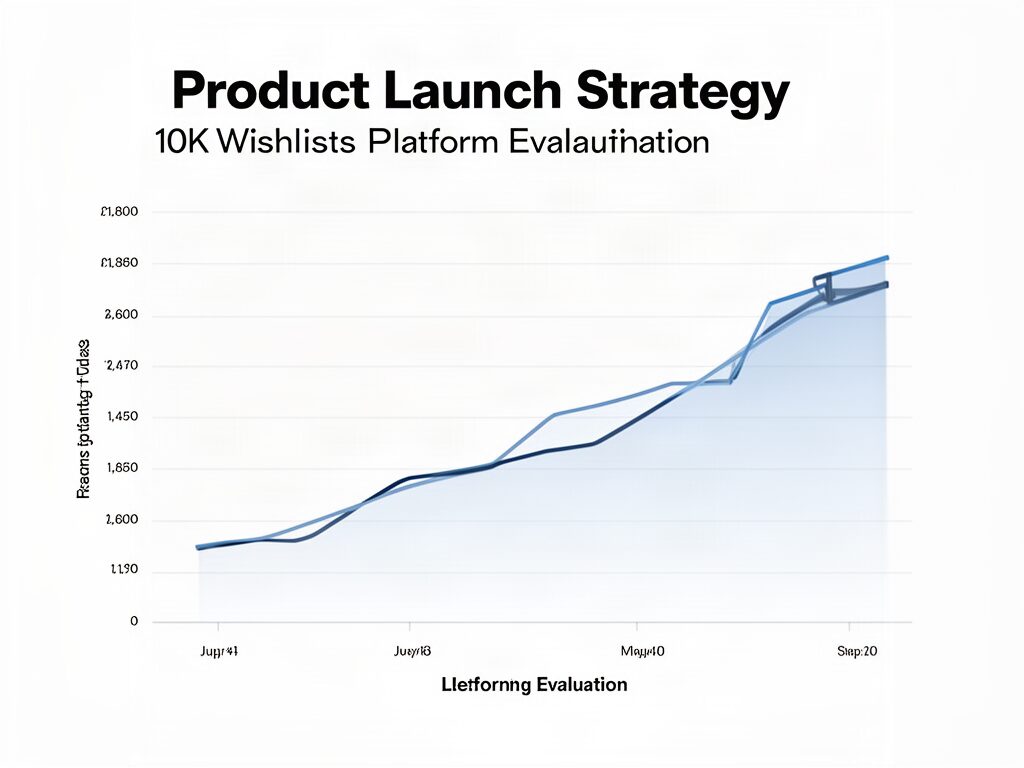
That said, raw numbers only tell part of the story. For instance, a wishlist gathered six months before launch converts differently from one picked up during a Next Fest demo. Moreover, the geographic spread of your audience affects revenue, since wishlists from the US, UK, and Germany typically convert at higher rates than those from regions with lower purchasing power.
Conversion Rates and Realistic Launch Expectations
Converting wishlists to sales isn’t a flat percentage, and I’d caution against anyone promising you a fixed ratio. Generally, first-week conversion sits between 15% and 25% for indie titles with a launch discount. Therefore, 10,000 wishlists translates to roughly 1,500 to 2,500 copies sold in the opening week.
Here’s a rough breakdown of what influences your conversion rate:
- Launch discount: a 10–15% discount typically lifts conversion by several percentage points.
- Genre fit: strategy, management, and horror tend to convert well.
- Review scores: a “Very Positive” rating on day one dramatically boosts sell-through.
- Streamer coverage: a single mid-tier streamer can double your opening weekend.
- Wishlist velocity: recent wishlists convert far better than year-old ones.
At £12 per copy with a 15% launch discount, 2,000 sales equates to roughly £20,400 gross, before Steam’s 30% cut and VAT. After deductions, you’re looking at around £11,000 to £12,000 in your first week. For a full breakdown of what drives these numbers, my guide on how to reach 10K Steam wishlists before launch covers the tactics I’ve found most effective.
Why Wishlist Velocity Beats Raw Totals
Here’s something many developers miss: Steam cares more about recent wishlist activity than your cumulative total. The Popular Upcoming list, which gives you massive free visibility in the final seven days before release, is driven by wishlist velocity and recency. Furthermore, Steam’s algorithm rewards games showing momentum.
If you’ve gathered 10,000 wishlists over two years with a slow trickle, you’ll struggle to hit Popular Upcoming. However, if you’ve gathered the same 10,000 across three focused months with Next Fest and a strong trailer launch, you’re in a much stronger position. I’ve written more about this in my piece on Steam algorithm ranking factors explained, which digs into how visibility actually works.
Additionally, Steam gives you visibility rounds based on launch performance. Consequently, a strong opening week triggers more impressions, which brings more sales, which triggers more impressions. This flywheel effect means that launch momentum often matters more than pre-launch totals.
When 10K Isn’t Enough (and When It’s Plenty)
Context matters enormously here. For a hyper-casual puzzle game at £3.99, 10K wishlists might be underwhelming because the genre expects higher volumes at lower price points. Conversely, for a £24.99 strategy game targeting a dedicated niche, 10K wishlists could support a very profitable launch.
Here are scenarios where 10K wishlists likely isn’t enough:
- You’ve spent over £50,000 developing the game and need to recoup quickly.
- Your genre is oversaturated, such as 2D platformers or survival crafting.
- You’re pricing below £8, requiring high volume to generate meaningful revenue.
- You’ve got publisher recoupment to clear before seeing royalties.
On the other hand, 10K is often plenty when you’re a solo developer with modest costs, launching into a niche with strong word-of-mouth potential. For example, visual novels, deck-builders, and simulation titles often perform brilliantly with this wishlist count. My ultimate Steam growth strategy for indies walks through how to match your wishlist targets to your genre and budget realistically.
Final Thoughts on Hitting 10K
Reaching 10,000 wishlists is a genuine achievement, and it puts you ahead of the majority of indie Steam releases. However, it’s a starting point rather than a finish line. The quality, recency, and velocity of those wishlists will determine whether launch day feels like a celebration or a quiet disappointment.
My advice is simple: aim for 10K as a baseline, but focus on building momentum in the final three months. Pair that with a sensible launch discount, a polished store page, and some streamer outreach, and you’ll give yourself the best possible shot at a successful release. Numbers matter, but strategy matters more.
Sources: