Forgiven


Introduction
Survival games keep topping Steam charts because they blend player-driven stories with tense moment-to-moment decisions that few other genres can match. From Rust to Valheim and Palworld, the genre’s staying power comes from emergent gameplay, deep crafting loops, and the social dynamics that keep communities active for years.
Key Takeaways
- Survival games thrive on emergent gameplay that creates unique player stories every session.
- Deep crafting systems give players long-term goals and sustained engagement.
- Multiplayer dynamics drive community retention and organic word-of-mouth marketing.
- Early Access suits the genre, letting developers refine mechanics with player feedback.
- Low barriers to entry and strong streaming appeal fuel ongoing commercial success.
The Lasting Appeal of Survival Mechanics
Survival games have held a top spot on Steam for over a decade, and I don’t think that’s an accident. The genre taps into something primal: the drive to gather, build, and endure. Moreover, every session feels different because the player writes the story, not the designer.
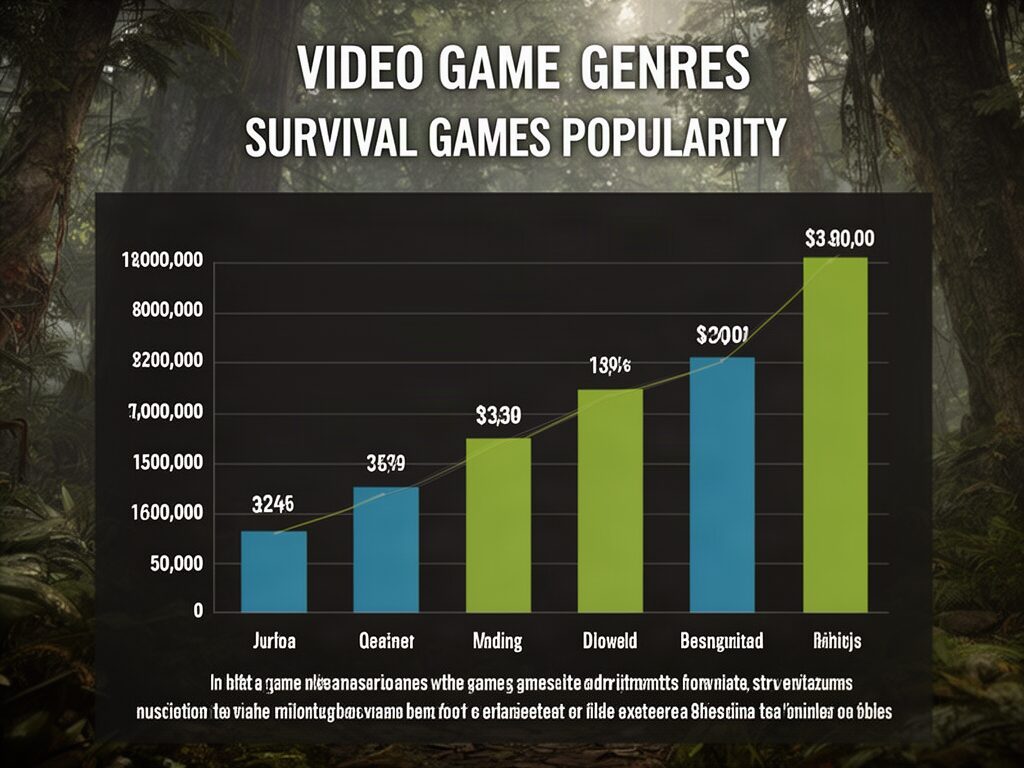
Titles like Valheim sold over 5 million copies within a month of its February 2021 launch, according to Iron Gate Studio. Palworld, meanwhile, shifted more than 25 million units across Steam and Xbox within a month of release in January 2024. These numbers show the commercial pull of the genre is still enormous.
For indie developers, that’s a huge opportunity. However, standing out means understanding exactly why players keep returning to these worlds.
Emergent Gameplay and Player-Driven Stories
The core reason survival games dominate is emergent gameplay. Players create their own narratives through unscripted events, like a bear raid during a storm or a rival clan burning down their base. Consequently, no two playthroughs feel identical.
I’ve noticed that this unpredictability feeds directly into streaming culture. Twitch viewers love watching chaos unfold in real time. For example, Rust regularly pulls hundreds of thousands of concurrent viewers during server wipes.
To design for emergence, I’d focus on a few key pillars:
- Systems that interact in unexpected ways, such as weather affecting fire spread.
- AI with varied behaviour patterns rather than scripted encounters.
- Destructible environments that reflect player actions permanently.
- Resource scarcity that forces tough decisions.
Furthermore, these systems create shareable moments. That organic marketing is gold, especially if you’re trying to get your first 100 Steam wishlists without a huge budget.
Crafting Loops and Long-Term Engagement
Crafting is the engine that keeps players playing for hundreds of hours. A good progression loop gives players short-term wins and long-term goals simultaneously. Valheim, for instance, locks biome access behind boss progression, which creates a natural rhythm.
I’d argue the best crafting systems share three traits. Firstly, recipes feel discoverable rather than handed out. Secondly, every tier of gear meaningfully changes how the player interacts with the world. Thirdly, base-building offers creative expression beyond pure function.
Additionally, crafting ties directly into social play. Players show off bases on Reddit and Discord, which drives new sales. If you’re looking to increase Steam wishlists fast in 2026, screenshots of player creations are among the strongest assets you can share.
Multiplayer, Community, and Early Access Success
Survival games lean heavily on multiplayer dynamics. Co-op builds friendships, while PvP creates rivalries and server-wide drama. Both outcomes feed community growth, which in turn fuels longevity.
Early Access has become the default launch strategy for the genre, and for good reason. Valheim, 7 Days to Die, and Rust all used it successfully. Players accept rough edges in exchange for shaping the game, and developers get real feedback early.
Here’s what I’d prioritise when launching a survival game in Early Access:
- A clear public roadmap updated monthly.
- Active Discord moderation with regular developer presence.
- Dedicated server tools released on day one.
- Modding support within the first six months.
Moreover, strong community engagement before launch helps you reach 10k Steam wishlists before launch, which dramatically improves your algorithmic visibility on Steam.
Conclusion
Survival games dominate because they deliver player agency, emergent stories, deep crafting, and strong communities in one package. For indie developers, the genre offers a proven template, but success demands fresh mechanics and genuine community care. If you nail the core loop and launch smartly through Early Access, there’s still plenty of room on the charts.
Sources: