Forgiven

Ten thousand Steam wishlists can be a motivating internal target, but it is not an official requirement for launch success or store placement. Build the plan around qualified interest and the game’s own evidence.
Make the store page ready
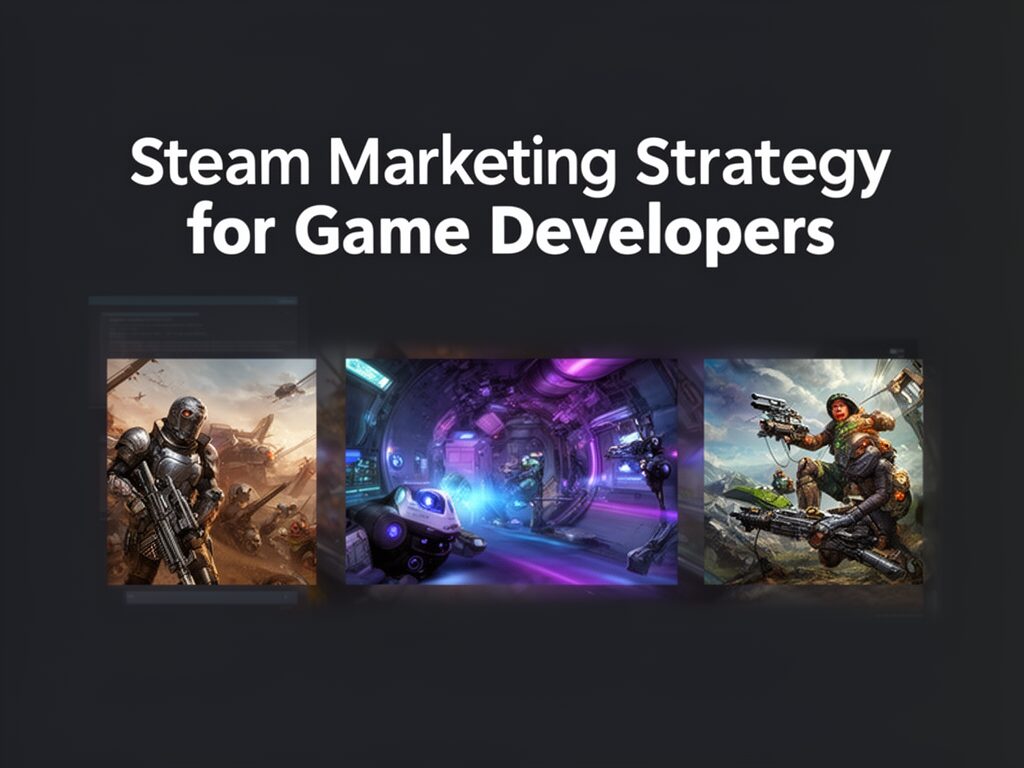
Use a recognisable capsule, gameplay-led trailer, representative screenshots, accurate tags and a precise short description. Test comprehension before sending more traffic.
Create a reason to wishlist
A strong hook, playable demo, relevant event, development proof or creator coverage gives players a concrete reason to save the game. Avoid giveaways that attract people who do not want the product.
Reach the genre audience
Research creators, communities, newsletters, events and search topics around comparable games. Participate according to community rules and personalise outreach.
Measure sources
Give external campaigns unique UTM links and review attributable visits within Valve’s limits. Track additions, deletions and outstanding wishlists using the Steamworks wishlist reports.
Improve the weakest step
If relevant reach is low, improve distribution. If visits are healthy but wishlists are weak, fix store positioning or proof. If the demo disappoints, prioritise the product before promotion.
Use milestones responsibly
Set weekly learning and production milestones alongside the audience total. Do not claim the target guarantees conversion, and do not pressure the community to spam or manipulate engagement.
Know when the number is the wrong goal
A narrow game may not need a broad list; an expensive project may need more evidence than wishlists alone. Combine audience data with price, costs, demo response and launch operations. The useful objective is enough qualified demand for a sustainable plan, whether or not it lands on a round number.