Forgiven


Building a Steam Funnel: A Practical Guide for Indie Developers
Building a Steam funnel means creating a repeatable path that moves curious players from first impression to wishlist, and finally to a paid purchase on launch day. I’ve found that a well-structured funnel can lift conversion rates significantly, especially when you align store page assets, trailers, and community touchpoints around 7 key stages of player intent.
Key Takeaways
- A Steam funnel converts cold traffic into wishlists and sales through staged touchpoints.
- Your capsule art and short trailer drive the first click more than any other asset.
- Wishlists feed Steam’s algorithm, so pre-launch momentum matters enormously.
- Retargeting lapsed visitors with demos and festivals boosts return conversions.
- Measuring each funnel stage helps you spot weak points quickly.
Understanding the Steam Funnel Stages
I think of a Steam funnel as a journey with clear phases. First, players discover your game. Then they click through to the store page. After that, they wishlist, demo, and eventually buy. Each stage has its own conversion metric, and ignoring any one of them leaves money on the table.
For example, Valve reports that median wishlist-to-sale conversion sits around 20% in the first two weeks after launch. Therefore, if you want strong launch revenue, you need thousands of wishlists feeding the top of the funnel. Moreover, Steam’s algorithm rewards games with high wishlist velocity, which compounds visibility further.
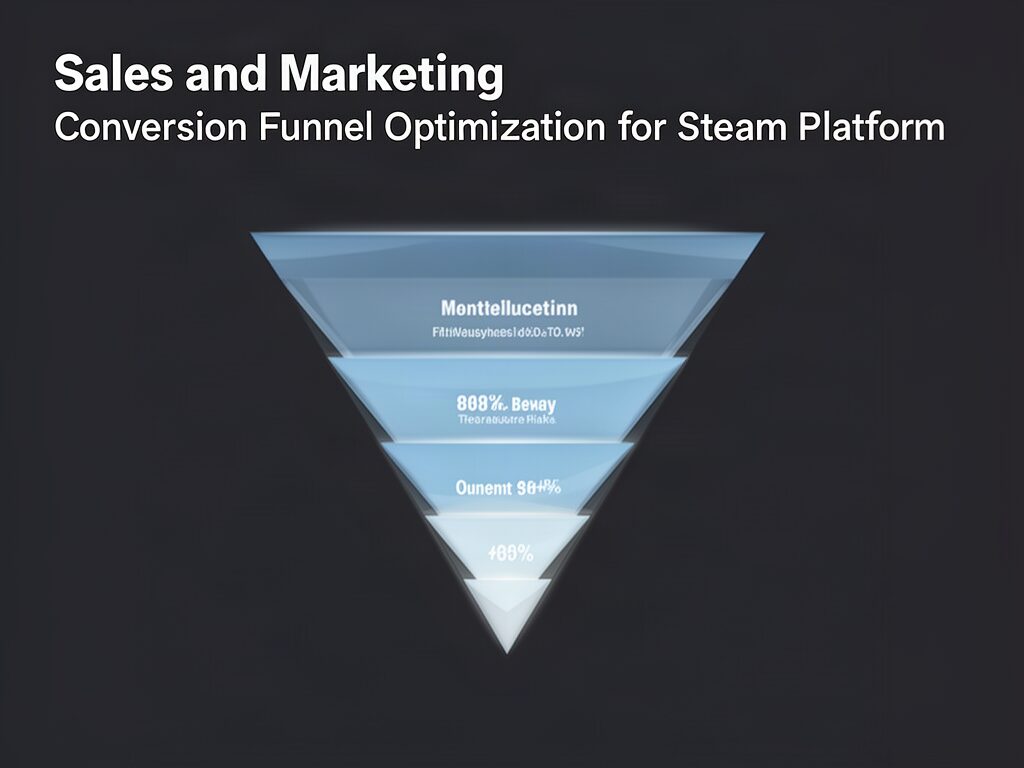
Here are the core stages I map for every project:
- Awareness: trailers, social clips, press coverage, and streamer features.
- Interest: store page visits driven by capsule art and search.
- Consideration: wishlists, demo downloads, and Next Fest participation.
- Conversion: launch-day purchases and discount triggers.
- Retention: reviews, updates, and community growth post-launch.
Driving Traffic to Your Store Page
Getting eyeballs on your store page is the hardest part. However, I’ve learned that short-form video outperforms almost every other channel for indie titles. TikTok, YouTube Shorts, and Reels can deliver free organic reach if your hook lands within the first two seconds.
Furthermore, I recommend pairing organic content with targeted outreach. Reach out to streamers whose audiences match your genre. Additionally, submit your game to every relevant Steam festival, since these events drive concentrated bursts of qualified traffic. For a complete pre-launch plan, my ultimate Steam launch checklist covers each milestone in order.
Consider these traffic sources ranked by cost-efficiency:
- Short-form video on TikTok and YouTube Shorts.
- Steam festivals and Next Fest demos.
- Reddit posts in genre-specific subreddits.
- Press coverage from targeted outlets.
- Paid ads via Meta or Reddit, used sparingly.
Converting Visitors Into Wishlists
Once players land on your store page, you’ve got roughly three seconds to earn a wishlist. I always lead with a punchy trailer under 60 seconds. Consequently, my first screenshot shows gameplay, never a logo or menu. Moreover, the short description must communicate the hook in a single sentence.
Wishlist volume directly influences Steam’s visibility systems. For a deeper dive into how these systems work, I recommend reading about Steam algorithm ranking factors before finalising your store page. Additionally, tracking wishlist velocity week by week helps you spot which marketing beats actually move the needle.
I focus on these store page elements to lift conversion:
- A 60-second trailer with gameplay in the opening shot.
- Five screenshots showing distinct gameplay moments.
- A short description under 300 characters.
- Clear genre tags matching your audience’s search habits.
- Animated capsule art tested against static versions.
Nurturing Wishlists Until Launch
A wishlist isn’t a sale, it’s a promise. Therefore, I nurture that promise with regular updates, Steam events, and a public demo. For instance, posting a developer update every 4-6 weeks keeps your game visible in follower feeds. Furthermore, hosting a limited-time demo during Next Fest can triple wishlist additions in a single week.
If you want to hit serious numbers before launch, study proven case studies. My guide on reaching 10k Steam wishlists before launch breaks down tactics that have worked for small teams on budgets under £5,000. Consequently, you can model your campaign on real results rather than guesswork.
Measuring and Optimising Each Stage
I can’t improve what I don’t measure. Steamworks provides UTM tracking, impression data, and wishlist conversion rates for free. For example, if your store page converts under 10% of visitors into wishlists, your trailer or capsule art likely needs rework. However, if traffic itself is low, the problem lies further up the funnel.
I review these metrics weekly:
- Store page visits broken down by traffic source.
- Wishlist conversion rate per visit.
- Demo download-to-wishlist rate.
- Wishlist deletion rate, which signals audience mismatch.
- Launch-day wishlist conversion to purchase.
Conclusion
A Steam funnel isn’t magic, it’s a system you build, test, and refine. Start by mapping your five stages, then focus on the weakest one first. Moreover, treat every store page element as a hypothesis you can test. With consistent measurement and small iterative changes, your launch numbers will reflect the effort you’ve invested in each funnel stage.
Sources: