Forgiven


Introduction
Scaling to 50K Steam wishlists demands a mix of consistent marketing, community building, and smart platform timing rather than a single viral moment. I’ve found that indie developers who hit this milestone treat wishlist growth as a 12 to 18 month campaign, layering festivals, trailers, and content drops to compound their visibility.
Key Takeaways
- Treat wishlist growth as a long-term campaign, not a launch-week sprint.
- Steam festivals and Next Fest can deliver 10,000+ wishlists in a single week when prepared properly.
- A polished capsule image and trailer can double your click-through rate on the store page.
- Consistent content marketing on TikTok, YouTube Shorts, and Reddit fuels organic discovery.
- Tracking wishlist velocity helps you time announcements and demos for maximum impact.
Why 50K Wishlists Matters for Indie Success
Hitting 50,000 wishlists before launch puts your game in a strong position for Steam’s Popular Upcoming list. That placement alone can drive thousands of additional conversions during launch week. For most indie titles, this threshold also signals that your marketing funnel actually works.
I’ve seen developers treat 10K as the first checkpoint and 50K as the goal that justifies a full commercial launch. Furthermore, publishers often use wishlist counts as a key metric when evaluating funding deals. If you’re still working toward the first milestone, my guide on how to reach 10K Steam wishlists covers the foundations.
Wishlists aren’t just vanity numbers either. They directly influence Steam’s visibility algorithm, which rewards games with strong pre-launch momentum. Consequently, every wishlist you earn compounds your chances of organic discovery later.

Building a Store Page That Converts
Your Steam store page is the single most important asset in your campaign. I always start with the capsule image, because it appears everywhere across Steam and determines whether players even click through. A clear subject, readable logo, and distinct colour palette typically outperform busy illustrations.
The trailer sits just behind the capsule in priority. Moreover, I recommend front-loading gameplay footage within the first five seconds. Players bounce quickly, so leading with a logo or cinematic rarely works for unknown indie titles.
For the written description, you should focus on three things that make your game distinct. Additionally, use GIFs between paragraphs to break up text and show mechanics in motion. For deeper tactics on page optimisation, my ultimate Steam growth strategy for indies walks through each element in detail.
Here are the store page elements I prioritise in order of impact:
- Capsule image with clear focal point and legible logo
- Trailer opening with gameplay in under five seconds
- Three to five animated GIFs showing core mechanics
- Short description under 300 characters with a strong hook
- Tags that match the exact genres players search for
Marketing Tactics That Actually Drive Wishlists
Content marketing has become the dominant growth channel for indies. I post short gameplay clips on TikTok and YouTube Shorts several times a week, since algorithmic platforms reward consistency over polish. One clip hitting 500K views can add 5,000 wishlists in 48 hours.
Steam Next Fest remains the biggest single opportunity available. Therefore, I treat it like a product launch, with a demo ready at least two months in advance. Developers who participate strategically often report 10,000 to 25,000 wishlists during their Next Fest week alone.
Reddit, Discord, and genre-specific communities also deliver qualified traffic. However, you need to contribute genuinely before posting your game. Understanding how Steam’s internal systems work helps too, which is why I recommend reading up on Steam algorithm ranking factors before planning your campaign.
These are the marketing channels I’ve found most effective for reaching 50K:
- TikTok and YouTube Shorts for organic reach
- Steam Next Fest with a polished demo
- Themed Steam festivals matching your genre
- Content creator outreach to mid-tier streamers
- Discord community with regular dev updates
Tracking Progress and Scaling What Works
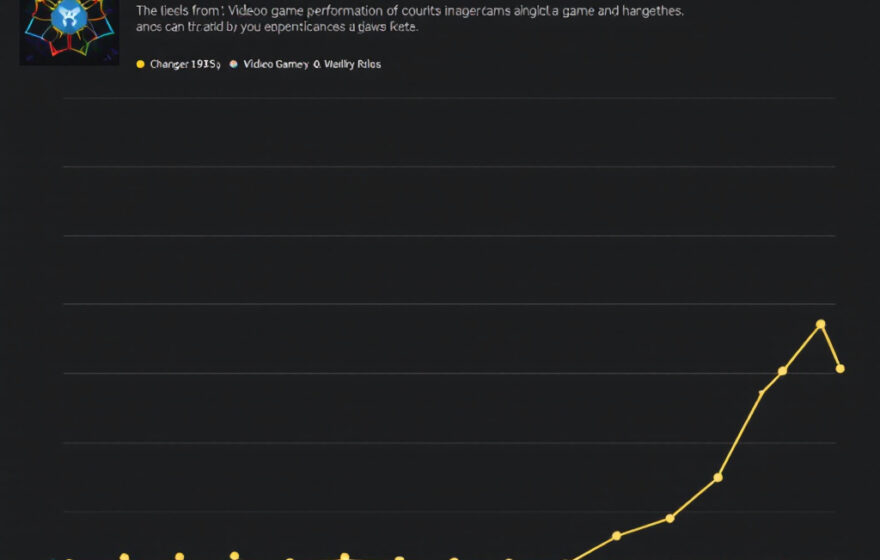
Measuring wishlist velocity matters far more than total count. I check my Steamworks dashboard weekly and tag every spike against a specific marketing activity. This tells me exactly which content formats and platforms deserve more investment.
A healthy baseline for a growing campaign sits between 50 and 200 wishlists per day outside of events. During festivals or viral moments, that figure can jump to 2,000 or more. Consequently, you should budget time and content specifically for these peak windows.
Conversion rate from store page visits also deserves attention. For example, a 30% visit-to-wishlist rate suggests your page is converting well, while anything under 15% means something needs fixing. I usually test new capsules or trailers whenever conversion drops noticeably.
Conclusion
Reaching 50K Steam wishlists isn’t about luck or a single breakout moment. It’s the result of a focused store page, consistent content output, and smart use of Steam’s built-in promotional events. If you start early, track your metrics honestly, and double down on what works, this milestone is genuinely achievable for most indie projects. Keep refining, keep posting, and trust that the compounding effect of consistent effort will carry your game across the line.
Sources: