Forgiven
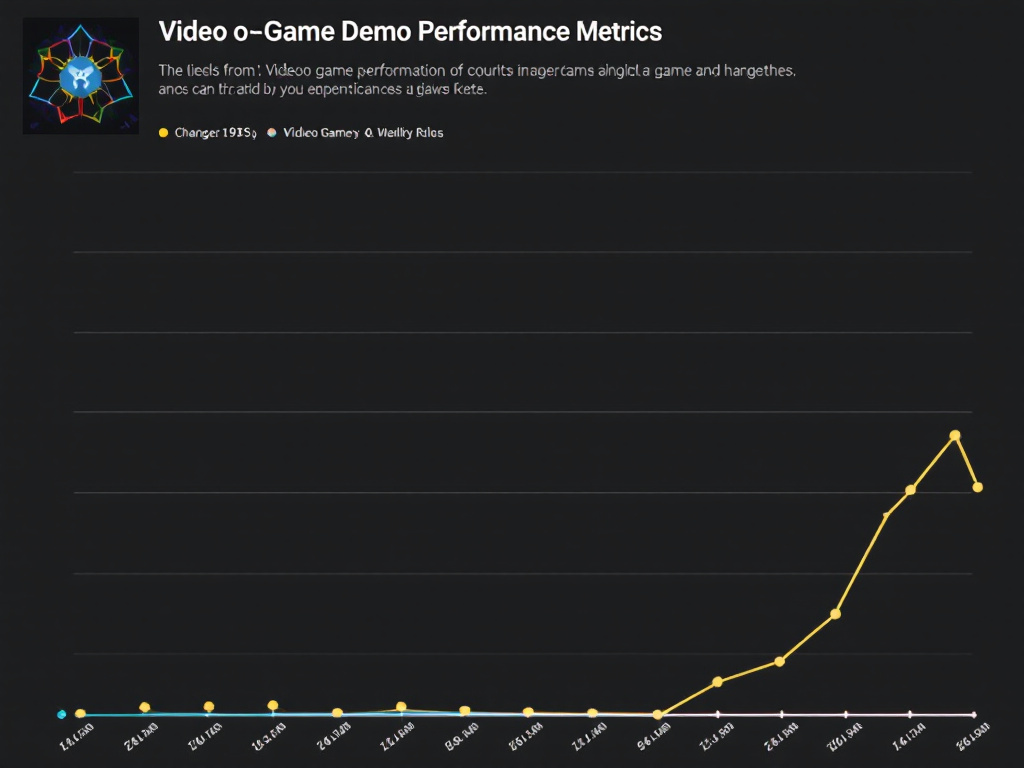
The average Steam demo conversion rate sits between 10% and 20%, with successful indie titles often pushing above 15% from demo download to full game wishlist or purchase. Understanding this benchmark helps you measure your demo’s performance, refine your marketing approach, and spot weak points in your conversion funnel before launch day arrives.
Key Takeaways
- Most Steam demos convert at 10-20% from download to wishlist or purchase, with top performers exceeding this range.
- Participation in Steam Next Fest can boost demo visibility and conversion rates significantly during the event week.
- Short, polished demos of 30-60 minutes typically outperform longer builds for conversion metrics.
- Tracking wishlist additions after demo play gives a clearer picture than raw download numbers alone.
- Clear call-to-action prompts inside your demo can lift conversion rates by several percentage points.
What the Average Steam Demo Conversion Rate Really Means
When I talk about demo conversion rates on Steam, I’m referring to the percentage of players who download your demo and then take a meaningful action. That action is usually wishlisting the full game, pre-ordering, or purchasing on launch. Developers often conflate different metrics, so clarity matters here.
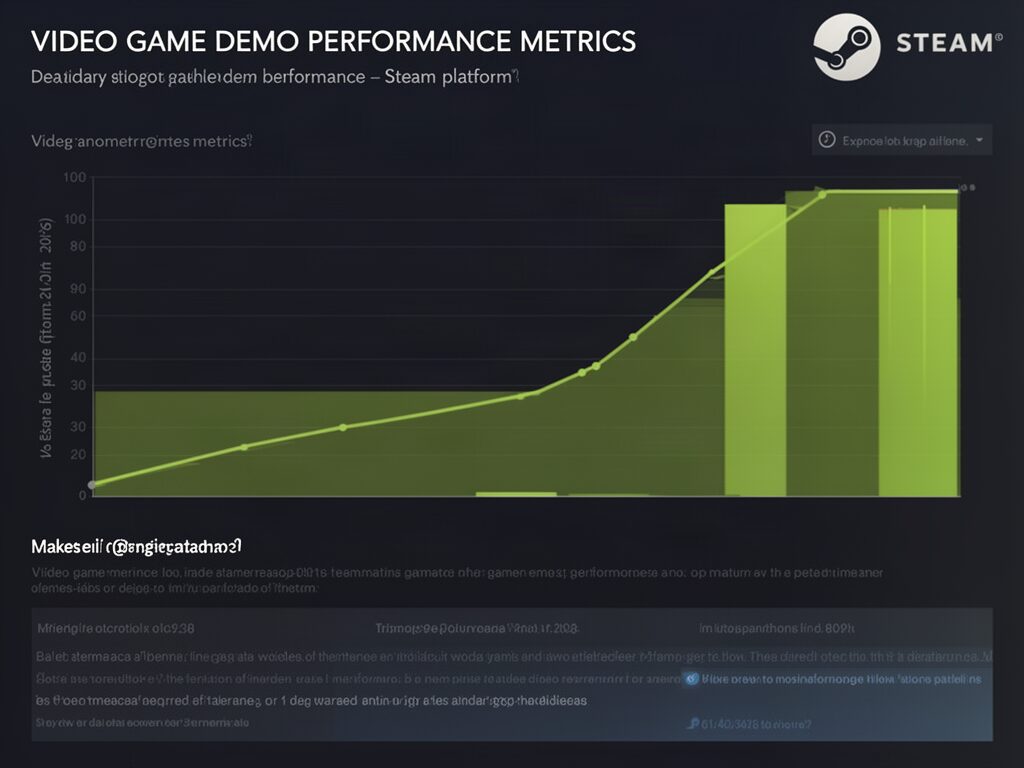
The industry average hovers around 10-20%, though this varies wildly by genre and polish level. For example, narrative-driven games tend to convert higher than open-ended sandbox titles. Additionally, demos launched during Steam Next Fest see spikes well above baseline figures.
I usually track three core numbers to understand demo performance:
- Demo downloads versus store page visits
- Wishlists added after demo play sessions
- Full game sales attributed to demo players post-launch
Why Conversion Rates Vary So Much Between Games
Several factors shape how well a demo converts, and I’ve seen the same genre produce wildly different results. Firstly, demo quality matters more than length. A tight 20-minute slice often beats a bloated two-hour build because players finish it and feel satisfied.
Genre also plays a huge role in conversion behaviour. For instance, puzzle and roguelike demos tend to convert strongly because players quickly grasp the core loop. However, story-heavy RPGs sometimes struggle because players want to save the experience for release day.
Here are the biggest variables I’ve noticed affecting conversion:
- Demo pacing and how quickly the hook lands
- Genre expectations and typical player behaviour
- Marketing timing relative to Steam Next Fest
- Price point of the full game, especially above £20
- Store page quality, including trailer and screenshots
Moreover, the Steam algorithm ranking factors amplify successful demos by pushing them into more player feeds. Consequently, a demo that converts well early tends to snowball in visibility.
How to Improve Your Demo’s Conversion Rate
Improving conversion starts with player psychology, not technical tricks. I always ask myself what emotional state I want players in when the demo ends. If they finish feeling curious and slightly frustrated at wanting more, they’ll wishlist. Therefore, where you cut the demo matters enormously.
Adding a clear wishlist prompt at the demo’s end screen is the single highest-impact change I recommend. Furthermore, Steam provides built-in overlay notifications you can trigger when the demo completes. Many developers skip this entirely and leave conversions on the table.
These are the practical steps I use to lift conversion rates:
- End the demo at a cliffhanger or exciting moment
- Include a wishlist button on the final screen
- Keep demo length between 30 and 60 minutes
- Polish the first five minutes above all else
- Add a short end-credits message thanking players
Additionally, pairing your demo launch with a solid Steam pre-launch marketing blueprint ensures you’re driving qualified traffic. Random downloads from unrelated audiences hurt your conversion percentage.
Measuring and Benchmarking Your Demo Performance
Tracking conversion properly requires looking beyond Steam’s default dashboard. I combine Steamworks data with UTM-tagged links from external campaigns. This lets me see which traffic sources deliver players who actually convert.
For benchmarking, I compare my numbers against similar games in my genre rather than overall averages. For example, a cosy farming sim should benchmark against other cosy games, not against FPS demos. Consequently, your target conversion rate depends on your category context.
I focus on these key metrics each week during a demo campaign:
- Download-to-wishlist ratio over rolling seven-day windows
- Median playtime per demo session
- Percentage of players who complete the demo
- Wishlist deletion rate after demo play
Moreover, a strong demo feeds directly into your broader Steam growth strategy for indies. Treating the demo as a standalone marketing asset, rather than a sales tool, shifts how you measure success.
Conclusion
The average Steam demo conversion rate gives you a useful yardstick, but your real goal is beating your own numbers week over week. I’ve found that small iterative changes to pacing, end screens, and wishlist prompts compound into significant gains. Track your data carefully, benchmark against your genre, and treat every demo update as a chance to learn. Ultimately, a well-tuned demo becomes your strongest pre-launch marketing asset on Steam.
Sources: