Forgiven
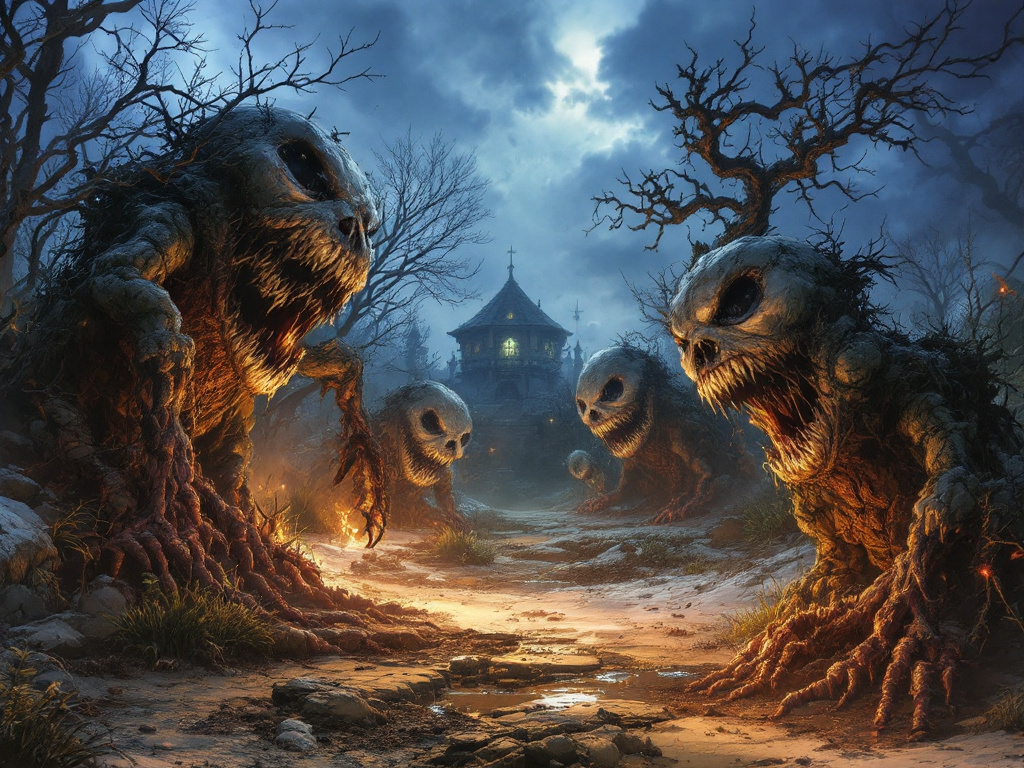
Indie horror games are dominating the charts in 2025, with small teams outperforming AAA studios through psychological tension, bold art direction and viral streamer appeal. Titles like Mouthwashing and Crow Country prove that modest budgets, often under £100,000, can generate millions in revenue when fear design meets strong community marketing.
Key Takeaways
- Indie horror games outperform AAA titles on Steam through atmosphere and originality.
- Streamer-friendly design drives viral exposure and organic wishlist growth.
- Small teams exploit retro aesthetics like PS1-style graphics to cut costs.
- Psychological horror beats jump scares for lasting player impact.
- Community building before launch secures strong first-week sales.
Why Indie Horror Is Dominating Steam Right Now
I’ve watched indie horror shift from a niche category into one of Steam’s most profitable genres. Titles such as Mouthwashing, Crow Country and Still Wakes the Deep have proven that small studios can outsell blockbuster releases. Players want tension, atmosphere and originality, and indies deliver all three on tight budgets.
Steam’s own data shows horror consistently ranking in the top five most-wishlisted tags during 2025. Consequently, developers are pivoting to the genre at record speed. For a deeper look at discoverability, I’d recommend reading my ultimate Steam growth strategy for indies.
Moreover, horror thrives on streamer culture. A single viral clip from a creator with 500,000 followers can generate thousands of wishlists overnight. That kind of organic exposure is nearly impossible to buy through traditional advertising.
The 7 Design Choices Behind Breakout Indie Horror Hits
I’ve studied the top-performing indie horror releases of the past two years, and the same 7 design patterns keep appearing. These choices separate the breakout successes from the thousands of forgotten entries clogging up Steam each week.
Here are the recurring elements I’ve identified across successful indie horror projects:
- Retro visuals — PS1 and VHS-style filters cut production costs dramatically.
- Short runtimes — Two to four hours suits streamers and reviewers perfectly.
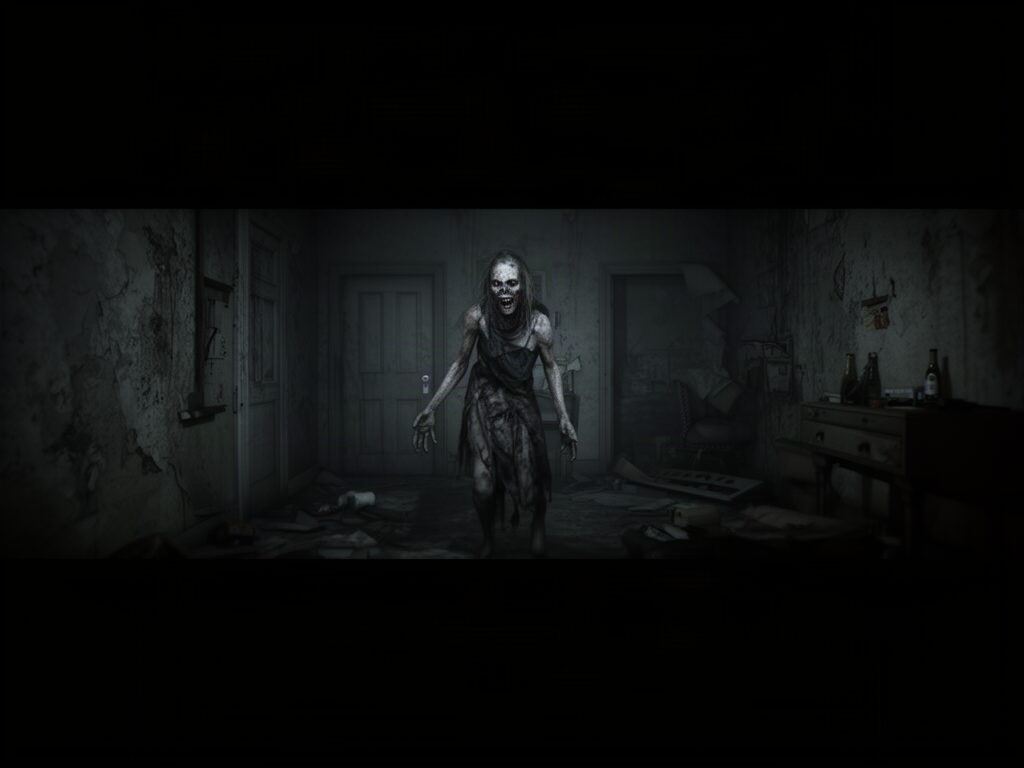
- Psychological dread over cheap jump scares for lasting impression.
- Distinctive sound design that unsettles players without expensive voice acting.
- Memorable antagonists that fuel fan art and social sharing.
- Unreliable narration or environmental storytelling for replay value.
- Clear hook communicated in the first 30 seconds of any trailer.
For instance, Mouthwashing used claustrophobic ship interiors and a disturbing cast to earn widespread acclaim. Additionally, Crow Country leaned into Resident Evil-era polygons, which saved months of modelling work. Both games launched below £15 and recouped costs within days.
Furthermore, I always tell developers to study how these games surface in search. My breakdown of Steam algorithm ranking factors explains why tag strategy matters so much for horror discoverability.
Marketing Your Indie Horror Game on a Tight Budget
Marketing horror is cheaper than marketing most genres, but only if you understand the audience. I’ve seen developers waste thousands on paid ads when a well-timed demo during Steam Next Fest would have performed ten times better. Horror fans gather in predictable places, so focus your energy there.
Reddit communities like r/horrorgaming and r/IndieGaming consistently drive meaningful traffic. Therefore, posting genuine development updates with gifs performs far better than polished press releases. Authenticity sells in this genre.
I always suggest building a demo early and submitting it to every horror-focused YouTuber you can find. For example, creators like Alpha Beta Gamer, ManlyBadassHero and CJUGames actively hunt for new indie horror content. One video from any of them can transform a game’s trajectory.
Wishlists remain the single most important pre-launch metric. If you’re struggling to hit meaningful numbers, my guide on how to reach 10k Steam wishlists before launch covers the exact tactics I use with clients.
Common Pitfalls That Sink Indie Horror Projects
Despite the genre’s momentum, most indie horror games still fail commercially. I’ve reviewed dozens of post-mortems, and the same mistakes appear repeatedly. Avoiding them gives your project a serious edge over the competition.
These are the pitfalls I warn developers about most often:
- Overscoping — Attempting an eight-hour campaign with a two-person team.
- Weak capsule art that fails to communicate dread at thumbnail size.
- Launching silently without a demo or Next Fest participation.
- Ignoring accessibility options like subtitles and brightness settings.
- Chasing trends instead of committing to a singular, personal vision.
Additionally, pricing matters enormously. Charging £19.99 for a two-hour experience generates refund waves and poor reviews. However, charging £8.99 for the same length often triggers positive word-of-mouth and strong sales.
Consequently, I’d rather see a developer launch a focused 90-minute horror experience than a bloated six-hour mess. Players and streamers reward tight pacing far more than raw content volume.
Final Thoughts on the Indie Horror Boom
Indie horror isn’t slowing down any time soon. The combination of low production costs, streamer-friendly formats and passionate audiences has created a genuine opportunity for small teams. If you’ve been sitting on a horror concept, now’s the moment to act on it.
I’d recommend starting with a short, atmospheric prototype rather than a sprawling design document. Test it with streamers, iterate quickly, and build your community before launch day arrives. The developers who treat marketing as part of the design process consistently outperform those who treat it as an afterthought.
Ultimately, success in this genre rewards bold creative choices and disciplined scope management. Get those two things right, and you’ll stand a real chance of joining 2025’s breakout indie horror success stories.
Sources: