Forgiven

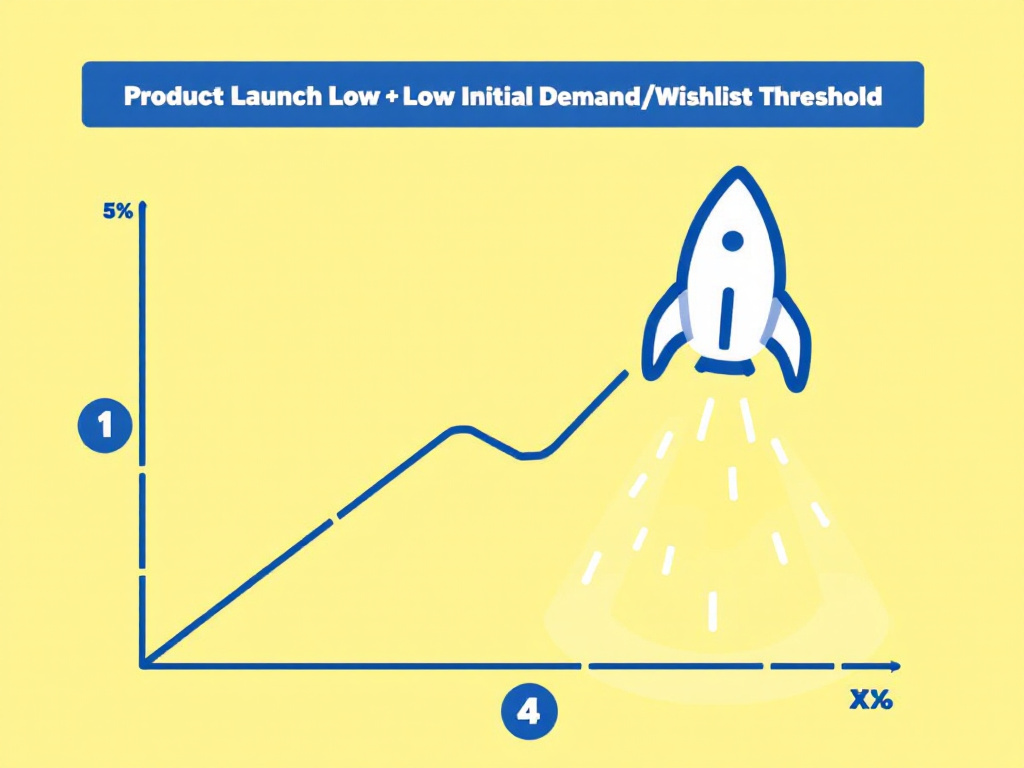
Launching with Under 1,000 Wishlists: A Realistic Indie Dev Playbook
Launching a Steam game with fewer than 1,000 wishlists feels risky, yet it’s the reality for most indie developers in 2026. I’ll show you how to turn a modest wishlist count into a workable launch strategy, using smart pricing, community building, and post-release momentum.
Key Takeaways
- A small wishlist count doesn’t guarantee failure if you execute launch day correctly.
- Steam’s algorithm rewards early sales velocity more than raw wishlist numbers.
- Pricing between £4.99 and £9.99 often outperforms higher tiers for unknown titles.
- Post-launch updates and content drops can rescue underperforming releases.
- Focused community engagement beats scattered marketing on tiny budgets.
Why Low Wishlist Counts Aren’t a Death Sentence
I’ve watched plenty of indie devs panic when their wishlist tally stalls below 1,000. However, the data tells a more hopeful story. Many successful indie games launched with modest numbers and found their audience through word of mouth, streamer coverage, or genre niche appeal.
Wishlists matter, but they’re not the only signal Steam uses. The platform’s visibility system also tracks reviews, playtime, and sales conversion. Therefore, a tight community of 800 engaged fans often outperforms 5,000 lukewarm wishlisters.
For context, roughly 50% of Steam’s wishlists convert in the first two weeks after launch. Consequently, even a small list can produce meaningful day-one revenue if your conversion rate holds up.
Setting Realistic Expectations Before Launch Day
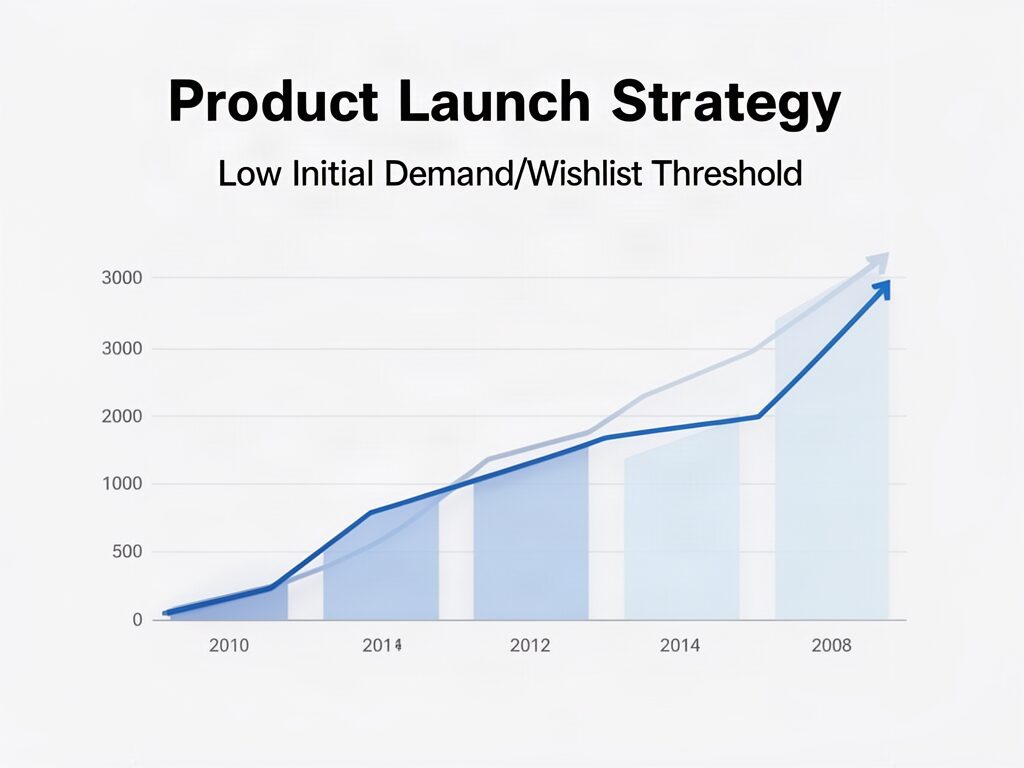
I always encourage developers to run the maths before release. If you have 800 wishlists and expect a 20% day-one conversion, that’s 160 sales. At £7.99, after Steam’s 30% cut and VAT, you’ll clear roughly £750 to £900.
That figure isn’t life-changing, but it’s a genuine foundation. Furthermore, launch sales trigger Steam’s “New & Trending” visibility, which can snowball into additional organic sales. Understanding this maths helps you plan properly rather than hope blindly.
If you want to see how bigger numbers compare, I’ve written about how to reach 10k Steam wishlists before launch, which breaks down the longer-term strategy.
Pricing Strategy for Small Launches
Price sensitivity matters enormously when you’re an unknown developer. I generally recommend testing these price points for indie launches with limited awareness:
- £4.99 to £6.99 for short experiences under five hours of gameplay.
- £7.99 to £9.99 for mid-sized games with 10-20 hours of content.
- £11.99 to £14.99 for larger titles with proven demos or demo-driven interest.
A 10% launch discount is standard and expected. Moreover, Steam’s launch discount gives you a visibility boost that can’t be repeated for the same release. I’d never skip it, even with low wishlists.
Maximising Day-One Sales Velocity
Steam’s algorithm reacts quickly to early momentum. The first 48 hours essentially decide your game’s visibility fate. I focus every pre-launch effort on packing sales into that window.
Here’s what I prioritise for launch day impact:
- Email every press contact and content creator 7-10 days before release.
- Post launch announcements across Discord, Reddit, and Twitter simultaneously.
- Schedule a live stream or launch event to drive conversions.
- Reply to every single review in the first week.
- Encourage satisfied players to leave honest reviews.
If you want a deeper dive into how visibility works, my piece on the Steam algorithm ranking factors explains the mechanics in detail.
Community-Driven Marketing on a Shoestring
I’ve learned that focused communities convert far better than broad advertising. A 300-member Discord server, actively engaged, often produces more sales than a £500 ad campaign. Additionally, those fans become your long-term advocates.
Niche subreddits can be goldmines for genre-specific games. For example, posting a well-crafted development update to r/roguelikes or r/CityBuilders reaches people already predisposed to buy. However, you must follow each community’s self-promotion rules carefully.
TikTok and YouTube Shorts have democratised game marketing. A single viral clip can push wishlist counts from 800 to 8,000 overnight. Consequently, I’d encourage every indie dev to post short-form content consistently in the months before launch.
Post-Launch Recovery Tactics
A quiet launch doesn’t mean the game is dead. Some of the most profitable indie titles found their audience months or years after release. Therefore, I treat launch day as the start of a campaign, not the climax.
These post-launch moves can revive sluggish sales:
- Participate in Steam seasonal sales with deeper discounts (30-50%).
- Release meaningful content updates every 2-3 months.
- Submit your game to Steam Next Fest if you’ve got new content to showcase.
- Partner with streamers for sponsored or free-key coverage.
- Translate the game into additional languages to open new markets.
I’ve seen games triple their lifetime revenue through careful post-launch support. Patience and consistency pay dividends here.
Common Mistakes That Make Low Wishlists Worse
Some developers panic and make decisions that compound the problem. For instance, slashing prices to £0.99 immediately after launch signals desperation and damages perceived value. Furthermore, it trains players to wait for cheaper sales.
Other avoidable errors include ignoring negative reviews, refusing to patch obvious bugs, and abandoning marketing after week one. My article on Steam launch mistakes indie devs must avoid covers these pitfalls comprehensively.
Honest communication with your audience always wins. Players respect developers who acknowledge issues and fix them openly. Moreover, this builds the kind of loyal following that drives long-term success.
Conclusion
Launching with under 1,000 wishlists isn’t ideal, but it’s absolutely survivable. I’ve seen too many quality indie games succeed from humble starts to believe the wishlist count alone determines fate. Focus on sales velocity, smart pricing, and genuine community engagement.
Treat your release as a starting line, not a finish line. With consistent updates, honest marketing, and realistic expectations, even modest launches can grow into sustainable indie careers. The data supports this approach, and so does my experience watching dozens of small launches turn into quiet successes.
Sources: