Forgiven

Steam market research gives indie developers the data they need to pick winning genres, price sensibly, and launch with confidence. I use a mix of free tools, competitor analysis, and wishlist tracking to spot gaps before committing months of work to a project.
Key Takeaways
- Use SteamDB and Gamalytic to validate genre demand before prototyping.
- Study competitor tags and review counts to estimate realistic sales figures.
- Track wishlist velocity for at least six months before launch day.
- Price your game based on comparable titles, not personal time invested.
- Monitor Steam Next Fest performance to benchmark demo conversion rates.
Why Steam Market Research Matters for Indie Studios
Launching on Steam without research is like releasing a film with no test screenings. I’ve seen too many indies pour years into projects that sold fewer than 100 copies. Therefore, data-driven decisions are essential from day one.
Steam hosts over 14,000 new releases each year, according to SteamDB. Consequently, standing out requires more than passion. You need to understand genre saturation, pricing norms, and audience expectations before writing a single line of code.
Market research also protects your budget. For example, a £30,000 indie project needs roughly 3,000 sales at £10 to break even after Steam’s 30% cut. Furthermore, knowing this early helps you scope the project sensibly.

Tools I Use for Steam Market Analysis
I rely on a small set of tools that cover most research needs. Each one serves a specific purpose, so I rarely need anything else. Here are the platforms I check weekly:
- SteamDB – for historical pricing, player counts, and tag data.
- Gamalytic – for revenue estimates and genre breakdowns.
- VG Insights – for competitor sales data and wishlist trends.
- Steam Charts – for concurrent player tracking across similar titles.
- GameDiscoverCo newsletter – for weekly industry benchmarks.
For instance, I’ll pick five competitors in my chosen genre and log their review counts, release dates, and prices. Then I apply the Boxleiter method, which multiplies reviews by roughly 30-50 to estimate sales. Consequently, I get a realistic ceiling for what my game could earn.
Additionally, I cross-reference this with Steam algorithm ranking factors to understand how visibility affects those sales figures. The algorithm rewards wishlist spikes and strong launch-week performance, so my research always factors in discoverability.
Analysing Competitor Tags and Reviews
Tags are the backbone of Steam’s recommendation engine. I spend hours studying which combinations drive traffic to similar games. Moreover, I check which tags competitors avoid, as these gaps often reveal untapped audiences.
For example, if I’m building a cosy farming sim, I’ll look beyond the obvious “Farming” tag. Secondary tags like “Cute,” “Relaxing,” and “Pixel Graphics” often drive more qualified traffic. Therefore, I prioritise these in my store page planning.
Review analysis is equally valuable. I read the top 20 negative reviews of my three closest competitors. This tells me exactly what players hated, giving me a clear list of pitfalls to avoid. Furthermore, positive reviews reveal which features generate the most emotional response.
Tracking Wishlists and Pricing Strategy
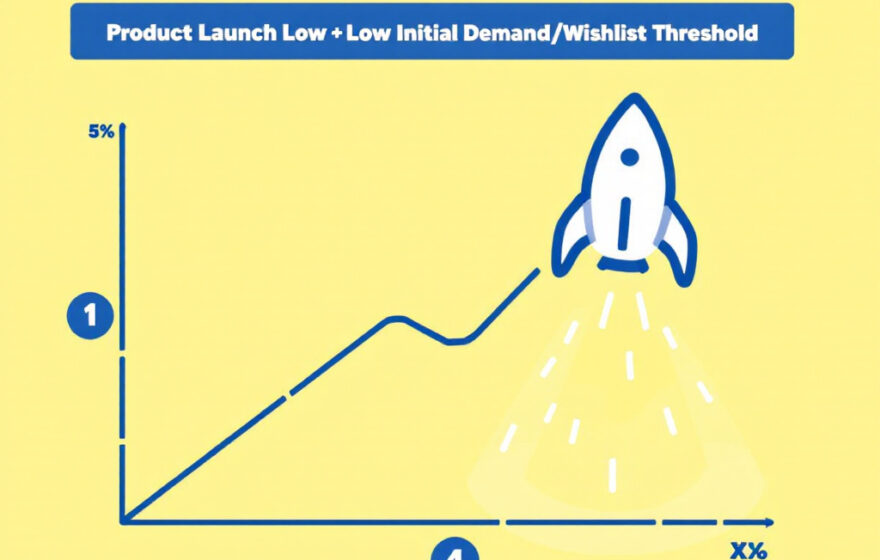
Wishlists are the single most important metric before launch. I aim for at least 7,000 wishlists before release, based on industry averages shared by Chris Zukowski. However, the conversion ratio varies wildly by genre and price point.
You can learn more about this in my guide to the Steam wishlist to sales ratio. Typically, I see conversion rates between 10-20% in the first week. Consequently, 10,000 wishlists might translate to 1,000-2,000 launch sales.
Pricing requires equal care. I benchmark against three to five direct competitors with similar scope and quality. For instance, a 10-hour narrative game usually sits between £12.99 and £16.99 in the current market. Additionally, I plan launch discounts of 10-15% to trigger Steam’s discount algorithms.
Once you’ve nailed your pricing and wishlist strategy, make sure your store page converts visitors. My article on how to optimise your Steam page for more sales covers capsule art, trailer pacing, and short description tweaks that genuinely move the needle.
Final Thoughts
Steam market research isn’t glamorous, but it’s the difference between a profitable indie launch and a disappointing one. I treat it as an ongoing process, not a one-time task before release. Furthermore, I revisit my data every quarter to spot shifting trends.
Start small with free tools like SteamDB and work up to paid platforms once you’ve validated your concept. Moreover, build relationships with other indies who share their launch data openly. Consequently, you’ll make smarter decisions and avoid the costly mistakes that sink most first-time Steam releases.
Sources: