Forgiven


PC gaming in 2026 is being reshaped by AI-assisted development, handheld-class portable rigs, and a sharp rise in indie storefront competition. These shifts are forcing developers to rethink optimisation, pricing, and discoverability if they want their titles to stand out on Steam and beyond.
Key Takeaways
- AI-assisted tools are cutting development time for small studios in 2026.
- Handheld PCs like the Steam Deck 2 are driving performance optimisation priorities.
- Live-service fatigue is pushing players back to shorter, premium single-player games.
- Indie discoverability depends more than ever on wishlists and algorithmic momentum.
- Cross-play and cloud saves are now baseline expectations, not bonus features.
The Rise of AI-Assisted Game Development
I’ve watched AI tooling move from novelty to necessity over the past year. Small teams now use generative systems for concept art, dialogue drafting, and even procedural level blockouts. Consequently, solo developers can ship polished vertical slices in weeks rather than months.
However, the trend isn’t without friction. Players increasingly spot AI-generated assets and react poorly when quality dips. Therefore, I recommend using AI for iteration and prototyping, then replacing placeholder work with human-crafted final art before launch.
For example, studios releasing on Steam in early 2026 must now disclose AI content use. Moreover, this transparency rule is shaping buyer trust and review scores. If you’re planning a release, bake disclosure into your store page copy from day one.
Handheld PCs Are Changing Optimisation Priorities
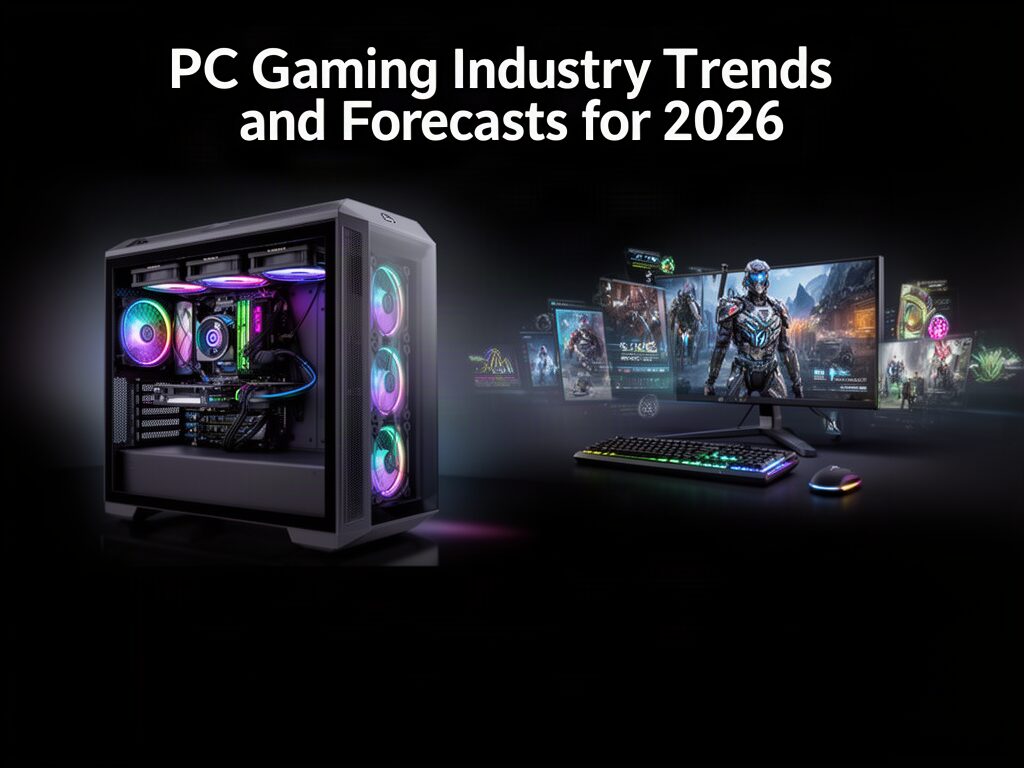
The Steam Deck sparked a category, and in 2026 the handheld PC market is booming. Devices from ASUS, Lenovo, and MSI are selling at price points between £450 and £900. Furthermore, Valve’s rumoured next-generation Deck is pushing developers to treat handheld-class hardware as a first-tier target.
I always test builds on lower-wattage hardware before shipping. Specifically, I focus on these optimisation areas:
- Dynamic resolution scaling for sub-15W power envelopes
- Readable UI at 7-inch screen sizes
- Controller-first input mapping
- Shader pre-compilation to reduce stutter
Additionally, Deck Verified status now meaningfully impacts conversion rates. If your game earns the green tick, you’ll see stronger storefront visibility. For more on climbing the charts, my guide on Steam algorithm ranking factors breaks down what Valve weighs most heavily.
Player Preferences Are Shifting Away From Live-Service
Live-service fatigue is real, and the data from 2025 confirms it. Several high-budget live games shut down within twelve months of launch. Consequently, publishers are quietly pivoting back to premium single-player experiences with clear beginnings and endings.
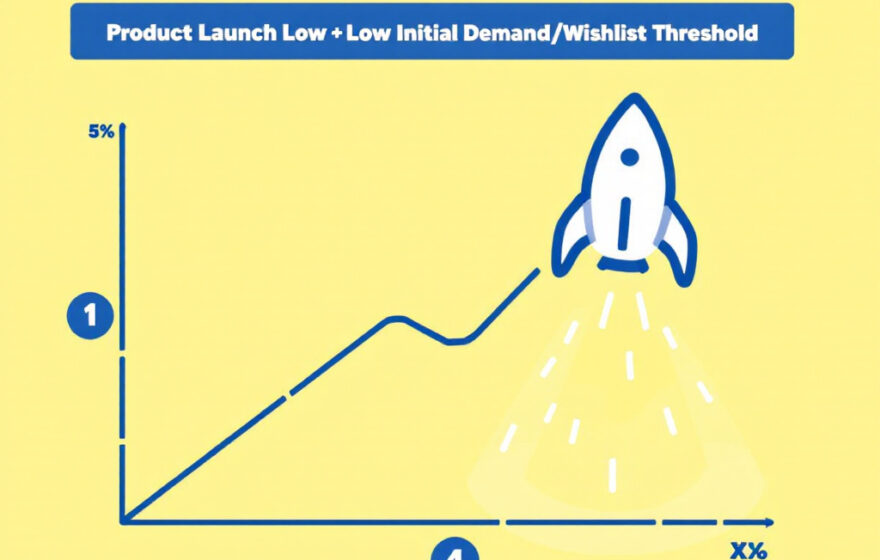
I see this as a genuine opportunity for indies. Players want tight, 8-to-20 hour games priced between £15 and £30. Moreover, roguelikes, cosy sims, and narrative adventures are dominating wishlist charts. If you’re building something short and distinctive, the market’s ready.
Pricing matters too. For instance, premium indies that launch above £24.99 tend to need stronger review coverage to convert. Therefore, I’d suggest testing your price point with a demo and tracking wishlist velocity carefully. My wishlist growth tactics walkthrough covers the exact steps I use.
Discoverability and Community Are the New Battlegrounds
Steam’s catalogue grew past 100,000 titles in 2025, and the pace isn’t slowing. For indie developers, discoverability is now the hardest problem to solve. Furthermore, TikTok, YouTube Shorts, and Bluesky are overtaking Twitter as primary marketing channels.
I focus my energy on a few proven activities each week. Here’s what actually moves the needle in 2026:
- Short-form video clips posted three to five times weekly
- Active participation in genre-specific Discord communities
- Steam Next Fest demo entries with clear calls-to-action
- Direct outreach to streamers in your niche
- Regular devlogs that build long-term audience loyalty
Additionally, cross-play and cloud saves are expected as standard. Players won’t tolerate progress loss between desktop and handheld sessions. Consequently, I bake Steam Cloud support in from the first prototype. For a complete launch plan, my Steam growth roadmap maps out the full journey.
Conclusion
PC gaming in 2026 rewards developers who adapt quickly and respect their players’ time. AI tools, handheld hardware, premium single-player demand, and tougher discoverability all point to one truth: craft and clarity win. Therefore, I’d focus your 2026 roadmap on polish, honest marketing, and genuine community building. The opportunities are real, but only for teams willing to meet players where they actually are.
Sources: